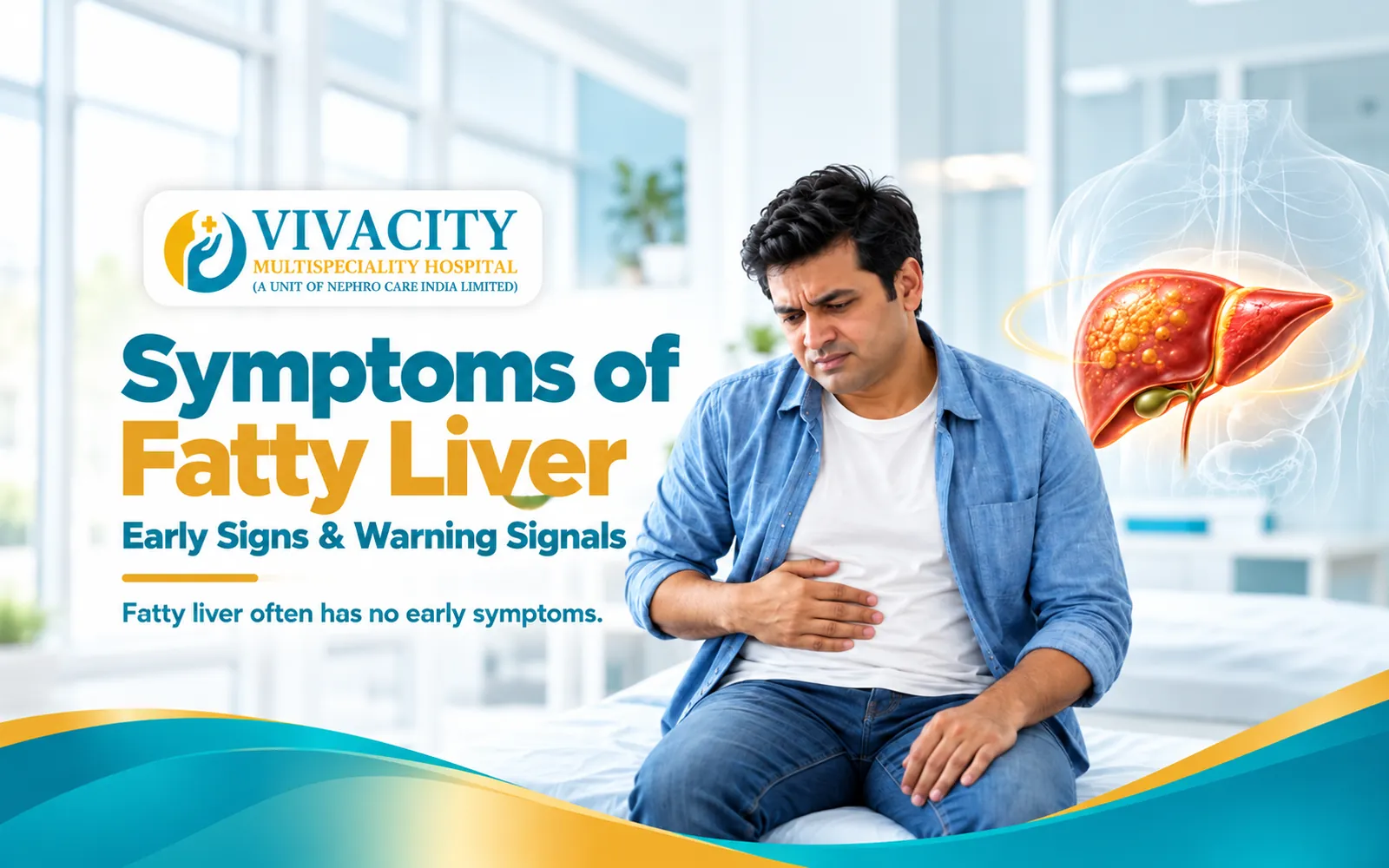
Fatty liver disease is increasingly common worldwide, affecting millions of adults and children. Many people are unaware they have this condition because early-stage fatty liver often shows minimal symptoms. Detecting it early is crucial to prevent complications like liver inflammation, fibrosis, or even cirrhosis.
In this article, you’ll learn the key symptoms of fatty liver, risk factors, and actionable steps to protect your liver health — all backed by medical research and expert guidance.
What is Fatty Liver?
Fatty liver, also called hepatic steatosis, occurs when excess fat builds up in liver cells, impairing liver function over time. While occasional fat accumulation may be harmless, persistent fat can lead to serious health issues.
Types of Fatty Liver Disease
- Non-Alcoholic Fatty Liver Disease (NAFLD): Fat accumulation not related to alcohol; linked to obesity, diabetes, and metabolic syndrome.
- Alcoholic Fatty Liver Disease (AFLD): Caused by chronic alcohol consumption.
According to the Mayo Clinic, NAFLD affects up to 25% of adults globally, making awareness of symptoms critical.
Causes and Risk Factors
Understanding risk factors can help identify who may be prone to fatty liver:
- Obesity – especially abdominal fat
- Type 2 Diabetes or insulin resistance
- High cholesterol or triglycerides
- Excessive alcohol consumption
- Poor diet – high in sugar, processed foods, and saturated fats
- Sedentary lifestyle
- Certain medications – corticosteroids, some chemotherapy drugs
Early identification of these factors combined with symptom awareness allows timely medical intervention.
Symptoms of Fatty Liver
Fatty liver is often called a “silent” disease because symptoms may be subtle or non-specific in the early stages. Recognizing them can prevent progression.
Early Symptoms
- Fatigue or unexplained tiredness – feeling tired even after adequate rest
- Mild discomfort in the upper right abdomen – dull ache under the rib cage
- Slight weight gain – particularly around the abdomen
- Elevated liver enzymes (detected in routine blood tests)
Advanced Symptoms
If fatty liver progresses to non-alcoholic steatohepatitis (NASH) or cirrhosis, symptoms may include:
- Jaundice – yellowing of skin and eyes
- Swelling in legs and abdomen (edema and ascites)
- Confusion or cognitive changes – hepatic encephalopathy
- Easy bruising and bleeding
- Dark urine and pale stools
Symptoms in Children
Fatty liver can occur in children, especially those who are overweight or have insulin resistance. Signs may include:
- Fatigue and poor school performance
- Abdominal pain
- Elevated liver enzymes on blood tests
Early lifestyle interventions can often reverse fatty liver in children.
Complications if Untreated
Ignoring symptoms can lead to:
- Liver fibrosis and cirrhosis
- Liver failure
- Increased risk of cardiovascular disease
- Type 2 diabetes progression
Early symptom recognition is key to preventing these serious outcomes.
Diagnosis and Medical Evaluation
If you suspect fatty liver, a doctor may recommend:
Blood Tests
- Liver function tests (ALT, AST) – elevated levels may indicate liver inflammation
- Lipid profile and blood sugar levels – check for metabolic risk factors
Imaging Techniques
- Ultrasound – detects fat accumulation
- CT scan or MRI – quantifies liver fat more precisely
Liver Biopsy
- Considered the gold standard to confirm diagnosis and assess severity
A combination of lab tests and imaging provides a reliable diagnosis without invasive procedures in most cases.
Treatment and Lifestyle Management
While there is no specific drug for NAFLD, lifestyle changes are highly effective.
Diet and Nutrition
- Focus on Mediterranean-style diet: vegetables, fruits, whole grains, lean proteins, healthy fats
- Limit sugar, refined carbs, and alcohol
- Include coffee and green tea in moderation — some studies suggest liver-protective benefits
Exercise Recommendations
- At least 150 minutes of moderate-intensity exercise per week
- Incorporate strength training twice weekly
- Regular physical activity improves insulin sensitivity and reduces liver fat
Medications
- No FDA-approved drugs specifically for NAFLD yet
- Doctors may prescribe medications to manage diabetes, cholesterol, or obesity
Prevention Strategies
Preventing fatty liver involves:
- Maintaining a healthy weight
- Eating a balanced diet rich in fiber and antioxidants
- Regular exercise
- Limiting alcohol
- Routine check-ups and liver function tests
Lifestyle interventions remain the most effective prevention and treatment strategy.
FAQs
Q1: Can fatty liver cause pain?
Yes, a dull ache or discomfort in the upper right abdomen is common, especially as the disease progresses.
Q2: Is fatty liver reversible?
Early-stage fatty liver is often reversible with diet, exercise, and controlling risk factors.
Q3: How is fatty liver diagnosed?
Diagnosis involves blood tests, imaging (ultrasound, CT, MRI), and sometimes liver biopsy.
Q4: Can children get fatty liver?
Yes, particularly if they are overweight, have insulin resistance, or a poor diet.
Q5: What lifestyle changes help fatty liver?
Healthy eating, regular exercise, weight management, and limiting alcohol intake are key.
Recognizing the symptoms of fatty liver early is crucial for preventing liver damage and associated complications. Fatigue, abdominal discomfort, and elevated liver enzymes are warning signs to watch for. With proper diet, exercise, and medical guidance, fatty liver can often be managed or even reversed.
If you notice these symptoms, consult a healthcare professional promptly for assessment and personalized care.
Medical Disclaimer
This article is for educational purposes only. It does not replace professional medical advice, diagnosis, or treatment. Always consult a qualified healthcare provider regarding liver health concerns.